The programme’s most personal honour is judged grade-blind: a caseworker and a permanent secretary compete on the same five criteria.
Every administration has them: the official colleagues route the impossible cases to; the team leader whose unit’s numbers are inexplicably better; the quiet reformer who fixed something everyone else had learned to live with. Public Servant of the Year exists to put a global spotlight on exactly these people — and its judging is deliberately grade-blind, because excellence in public service is not a property of seniority.
Strong candidates for this honour range from municipal social workers to national digital-service leaders to customs officers redesigning border processes. What unites them is not rank but a pattern of evidence. This article describes that pattern for prospective nominators.
The honour rewards the last two to three years, so career retrospectives are mis-filed here — they belong with the Distinguished Public Service Award. The jury looks for a recent body of work where the nominee’s personal contribution is attributable: decisions they made, methods they introduced, cases they carried, people they led. The nomination must resist the institutional instinct to collectivise credit; it is honest, and necessary, to say “she designed the triage rule; the unit executed it.”
Measurement then does what it does everywhere in the programme. The strongest cases attach numbers to the nominee’s footprint: the error rate of decisions reviewed, the backlog her method cleared, the satisfaction scores of the service he rebuilt, the retention rate of the team she leads against the departmental average. A person’s excellence, evidenced like a programme’s.
What distinguishes finalists from strong professionals is evidence of character exercised under constraint: the officer who escalated an inconvenient truth, the manager who protected service quality through a budget cut by redesigning rather than rationing, the caseworker who built an informal practice that became policy because it was simply better. Jurors read for judgement in the grey zones — where rules underdetermine the right answer and the citizen’s interest depends on the official’s craft.
This is where endorsements earn their place. A colleague describing what it is like to work a crisis beside the nominee; a citizen describing the official who refused to let their case fall between two agencies; a junior officer describing being developed. Three specific voices, each with a story the jury can verify, outweigh any volume of adjectival praise from the top of the building.
Public servants are professionally allergic to self-promotion, and many strong candidates decline nomination out of cultural discomfort. Two design features address this. Nominations are confidential until shortlisting — unsuccessful candidacies are never published. And the case is written by the nominator, in the third person, anchored to verifiable facts; the nominee’s role is limited to consent and fact-checking, which most find tolerable.
Practical drafting advice: open with the single episode that best captures the nominee at work, told concretely; follow with the measured footprint section; then character evidence through the three voices; close with sustainability — the practices, tools and people that will remain whatever the nominee does next. Fifteen hundred words, no superlatives the evidence has not already earned. The jury supplies the admiration; the nomination supplies the facts.
Whatever stage your organisation is at, the calendar for the 2026 edition of the World Public Service Excellence Awards is the frame every plan should hang on. Nominations opened on 1 June 2026 and entry is free in every category. Teams that submit by the early-bird date of 31 August 2026 receive a complimentary eligibility check from the secretariat, giving them time to strengthen evidence before judging begins. The final deadline is fixed at 30 September 2026, 23:59 Gulf Standard Time, with no extensions, because anonymised jury packs are compiled the following week.
| Milestone | Date | What it means for entrants |
|---|---|---|
| Nominations open | 1 June 2026 | Portal live; category guides and entry templates available |
| Early-bird deadline | 31 August 2026 | Free eligibility and category-fit check on submitted drafts |
| Final deadline | 30 September 2026 | All evidence, endorsements and declarations locked |
| Finalists announced | 26 October 2026 | Shortlist published; media toolkit issued to finalists |
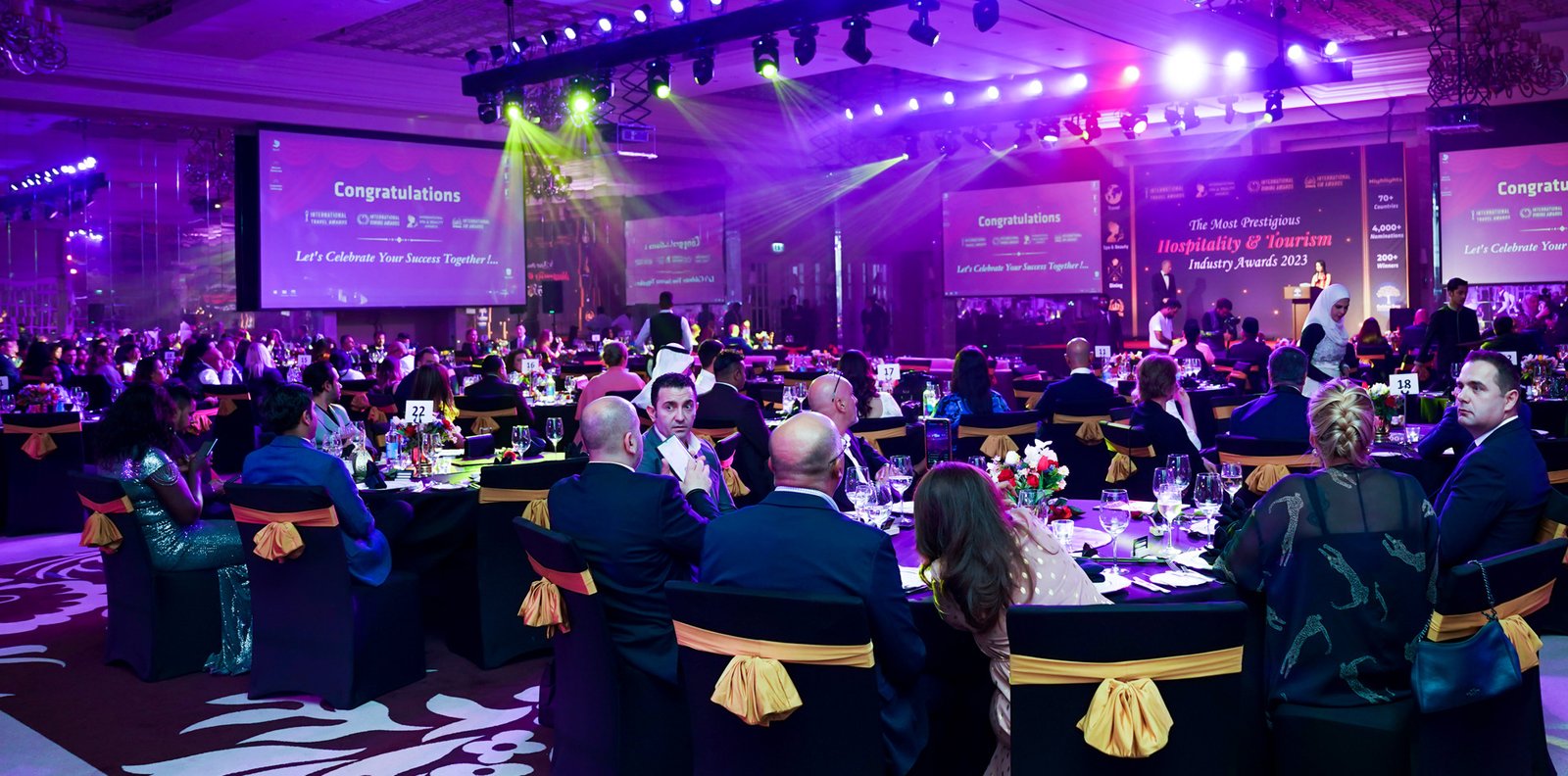
| Gala ceremony, Dubai | 11 December 2026 | Winners revealed live; trophies and citations presented |
Every entry to these public service awards — from government excellence awards to customer service awards — is scored against the same five published criteria by a 120-member independent jury. For this honour the criteria attach to a person: the measurable consequences of their judgement, persistence and craft over the recent period. Entries are anonymised before scoring and pass through a two-stage process with cross-regional moderation, so a strong score reflects evidence, not reputation.
| Criterion | Weight | What jurors look for |
|---|---|---|
| Citizen impact | 30% | Demonstrable improvement in outcomes, satisfaction or access for the people a service exists to serve. |
| Innovation | 20% | Originality of the approach relative to comparable administrations, and the courage to depart from precedent. |
| Efficiency | 20% | Better results per unit of public money, staff time or processing effort, with credible baselines. |
| Inclusiveness | 15% | Evidence that gains reached vulnerable, remote or digitally excluded groups, not only the easy majority. |
| Sustainability | 15% | Institutional arrangements that keep the improvement alive after the founding team or funding moves on. |
Read the full methodology, including integrity safeguards and conflict-of-interest rules, on our judging criteria page.
Use this checklist as a final pass before submitting your entry. Experienced awards jurors widely agree that the difference between a finalist and a near-miss is rarely the quality of the underlying work — it is the discipline of the entry itself: clear baselines, verified numbers and a story told from the citizen’s side of the counter.
Continue with these guides from our editorial team, or go straight to the nomination portal, browse all award categories, or review why organisations enter public sector awards in the first place.
Yes — judging is grade-blind by design, and frontline winners are a regular feature. The criteria measure consequences and craft, not span of control.
No; this honour is individual. Partnerships and units belong in the team categories, where joint excellence is judged on its own terms.
Yes. Entry is free in all 40+ categories, and judging is fully independent of sponsorship. Organisations only ever pay for optional items such as additional gala seats.
Nominations for the 2026 public service awards close 30 September 2026. Entry is free, judging is independent, and winners are honoured at the Dubai gala on 11 December 2026.