What separates the entries that lift a trophy in Dubai from the hundreds that fall just short? Jurors from the world’s leading public service awards explain.
Entries are invited from more than 80 countries, yet in awards of this kind the gap between winners and the rest is remarkably consistent. Winning entries are not necessarily describing bigger programmes or better-funded agencies. They are describing ordinary public-sector work — a permits office, a rural clinic network, a city contact centre — with extraordinary discipline: a clear baseline, a measured result, and an honest account of what it cost to get there.
This guide distils what our 120-member jury sees on both sides of the line. It applies whether you are targeting government excellence awards at national level, local government awards for a single municipality, or individual honours such as Public Servant of the Year. The mechanics of a winning entry are the same; only the scale of the evidence changes.
The single most common strategic error is writing the entry an agency would like to publish rather than the entry a juror can score. Jurors work from a structured sheet: citizen impact (30%), innovation (20%), efficiency (20%), inclusiveness (15%) and sustainability (15%). An entry that devotes half its word count to history and leadership quotes leaves most of those marks on the table.
Winning teams reverse-engineer the sheet. They allocate space in proportion to weight: the largest section proves what changed for citizens, with before-and-after numbers and a named measurement method. They write one tight paragraph per remaining criterion, each anchored to a verifiable figure. When the secretariat verifies claims at the finalist stage — and it does, before any announcement — these entries sail through because every number already has a source attached.
Awards are won twelve months before the deadline, when somebody decides to measure the starting point. A claim like “processing time fell 60%” only scores if the entry can show what processing time was, how it was measured, and that the method did not change mid-stream. Agencies that treat measurement as a launch-day activity, not an awards-season scramble, dominate shortlists.
If you are reading this without a baseline, all is not lost. Administrative systems usually hold more history than teams realise: case-management timestamps, call logs, complaint registers, audit reports. Reconstructing a defensible baseline from existing records is legitimate and jurors respect it — provided the entry is transparent about the method. What jurors penalise is vagueness dressed as confidence: “significant improvement” with no denominator is scored as no evidence at all.
Two entries can describe the same digitisation project. One says the agency “deployed an integrated omni-channel platform.” The other says a widowed pensioner in a remote district now completes in eleven minutes, by phone, a re-certification that previously demanded a two-day journey and three office visits. Jurors remember the second entry — and, crucially, it maps directly onto the citizen-impact and inclusiveness criteria that carry 45% of the score.
The strongest entries pair one human vignette with system-level data: the pensioner’s eleven minutes, then the 1.3 million completed re-certifications and the 94% satisfaction score. Anecdote without data reads as marketing; data without a human face reads as a spreadsheet. The combination is what an international jury, reading anonymised entries from unfamiliar countries, can both trust and feel.
Whatever stage your organisation is at, the calendar for the 2026 edition of the World Public Service Excellence Awards is the frame every plan should hang on. Nominations opened on 1 June 2026 and entry is free in every category. Teams that submit by the early-bird date of 31 August 2026 receive a complimentary eligibility check from the secretariat, giving them time to strengthen evidence before judging begins. The final deadline is fixed at 30 September 2026, 23:59 Gulf Standard Time, with no extensions, because anonymised jury packs are compiled the following week.
| Milestone | Date | What it means for entrants |
|---|---|---|
| Nominations open | 1 June 2026 | Portal live; category guides and entry templates available |
| Early-bird deadline | 31 August 2026 | Free eligibility and category-fit check on submitted drafts |
| Final deadline | 30 September 2026 | All evidence, endorsements and declarations locked |
| Finalists announced | 26 October 2026 | Shortlist published; media toolkit issued to finalists |
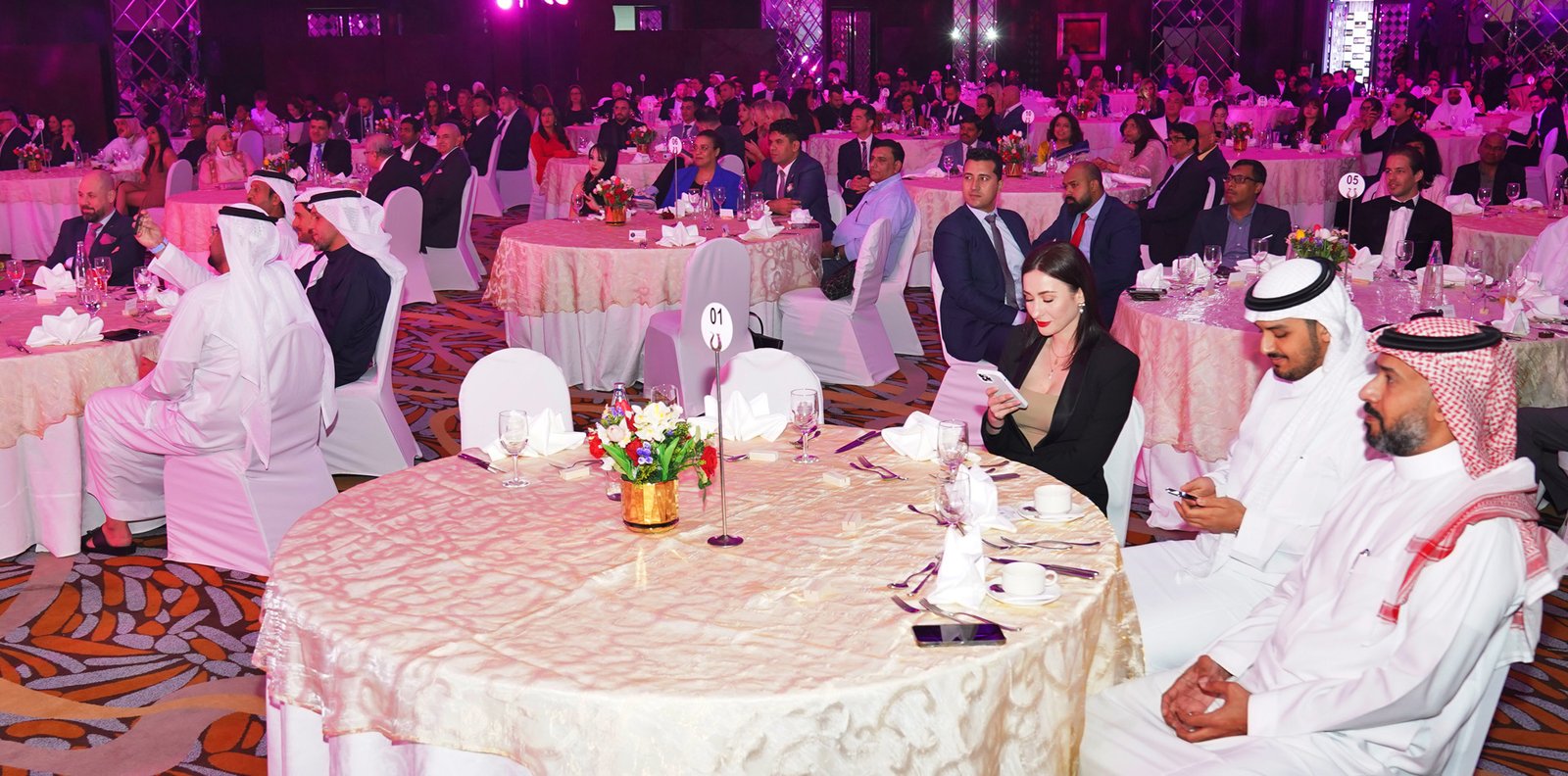
| Gala ceremony, Dubai | 11 December 2026 | Winners revealed live; trophies and citations presented |
Every entry to these public service awards — from government excellence awards to customer service awards — is scored against the same five published criteria by a 120-member independent jury. For entrants asking how to win, the weighting is the strategy: a paragraph proving citizen impact is worth more than a page describing internal effort. Entries are anonymised before scoring and pass through a two-stage process with cross-regional moderation, so a strong score reflects evidence, not reputation.
| Criterion | Weight | What jurors look for |
|---|---|---|
| Citizen impact | 30% | Demonstrable improvement in outcomes, satisfaction or access for the people a service exists to serve. |
| Innovation | 20% | Originality of the approach relative to comparable administrations, and the courage to depart from precedent. |
| Efficiency | 20% | Better results per unit of public money, staff time or processing effort, with credible baselines. |
| Inclusiveness | 15% | Evidence that gains reached vulnerable, remote or digitally excluded groups, not only the easy majority. |
| Sustainability | 15% | Institutional arrangements that keep the improvement alive after the founding team or funding moves on. |
Read the full methodology, including integrity safeguards and conflict-of-interest rules, on our judging criteria page.
Use this checklist as a final pass before submitting your entry. Experienced awards jurors widely agree that the difference between a finalist and a near-miss is rarely the quality of the underlying work — it is the discipline of the entry itself: clear baselines, verified numbers and a story told from the citizen’s side of the counter.
Continue with these guides from our editorial team, or go straight to the nomination portal, browse all award categories, or review why organisations enter public sector awards in the first place.
Stay within the stated limits for your category and spend the budget proportionally to the judging weights. Jurors consistently score disciplined, evidence-dense entries above long ones. Most winning entries use 85–100% of the limit, with the largest share proving citizen impact.
Yes, and it happens every year. Entries are anonymised and scored on evidence quality relative to context, not on scale. A municipality that proves a measured improvement for its residents outscores a ministry with weaker evidence.
Yes. Entry is free in all 40+ categories, and judging is fully independent of sponsorship. Organisations only ever pay for optional items such as additional gala seats.
Nominations for the 2026 public service awards close 30 September 2026. Entry is free, judging is independent, and winners are honoured at the Dubai gala on 11 December 2026.