Entering the world’s leading public service awards is free, structured and designed to be achievable for any team — whether you are a national ministry or a five-person municipal unit. This page walks you through eligibility, the entry form, evidence requirements and the timeline for the civil service awards 2026 cycle.
Eligibility is deliberately broad, because excellence in public service takes many institutional forms. Organisational categories are open to national governments and ministries, state and provincial governments, local governments and municipalities, regulatory authorities, public utilities, state-owned enterprises with public-service mandates, public hospitals, schools and universities, and non-profit organisations delivering public services under government partnership.
Individual honours — including Public Servant of the Year and awards within the government leadership awards family — are open to any serving public servant at any level of seniority. Self-nomination is permitted for organisational categories; individual honours require nomination by a colleague, supervisor or partner organisation, with the nominee’s consent confirmed before judging.
Match your strongest evidence to one of 40+ categories. Unsure? Request a free category check from the secretariat.
Register in the entry portal. You can invite colleagues, save drafts and return any time before the deadline.
Five sections, 3,000 words total: citizen impact, innovation, efficiency, inclusiveness, sustainability. Templates included.
Up to ten files: performance data, independent evaluations, citizen feedback, media coverage and endorsements.
Submit before 30 September 2026. You will receive confirmation, anonymisation notice and shortlist updates by email.

After thousands of scored entries, the pattern is consistent. Winning entries quantify the before-and-after: not “we improved waiting times” but “median waiting time fell from 41 days to 6 days across 1.2 million annual applications, verified by our national audit office.” They attribute honestly, acknowledging partners and headwinds, which jurors read as credibility. They write for an intelligent outsider, defining acronyms and local context — remember that your panel may sit on another continent.
Strong entries also use the inclusiveness criterion seriously, showing how improvements reached citizens who are hardest to serve, because averages can hide exclusion. And they treat sustainability as institutional, not environmental only: what ensures these results survive a change of leadership or budget cycle?
Entries that fall short usually share one flaw: they describe activity rather than outcomes. Lists of initiatives, technologies deployed or hours worked score poorly without the citizen-level results they produced. If you have one hour to improve a draft, spend it strengthening evidence of impact.
Complete the form below to submit your nomination. Your information is used solely for awards administration, and our team will get back to you shortly after submission.
| Milestone | Date | Notes |
|---|---|---|
| Nominations open | 1 June 2026 | All categories, all regions |
| Early-bird deadline | 31 August 2026 | Includes complimentary advisory review of your draft |
| Final entry deadline | 30 September 2026, 23:59 GST | No extensions; the portal closes automatically |
| Finalists announced | 26 October 2026 | Published on the Winners page and emailed to entrants |
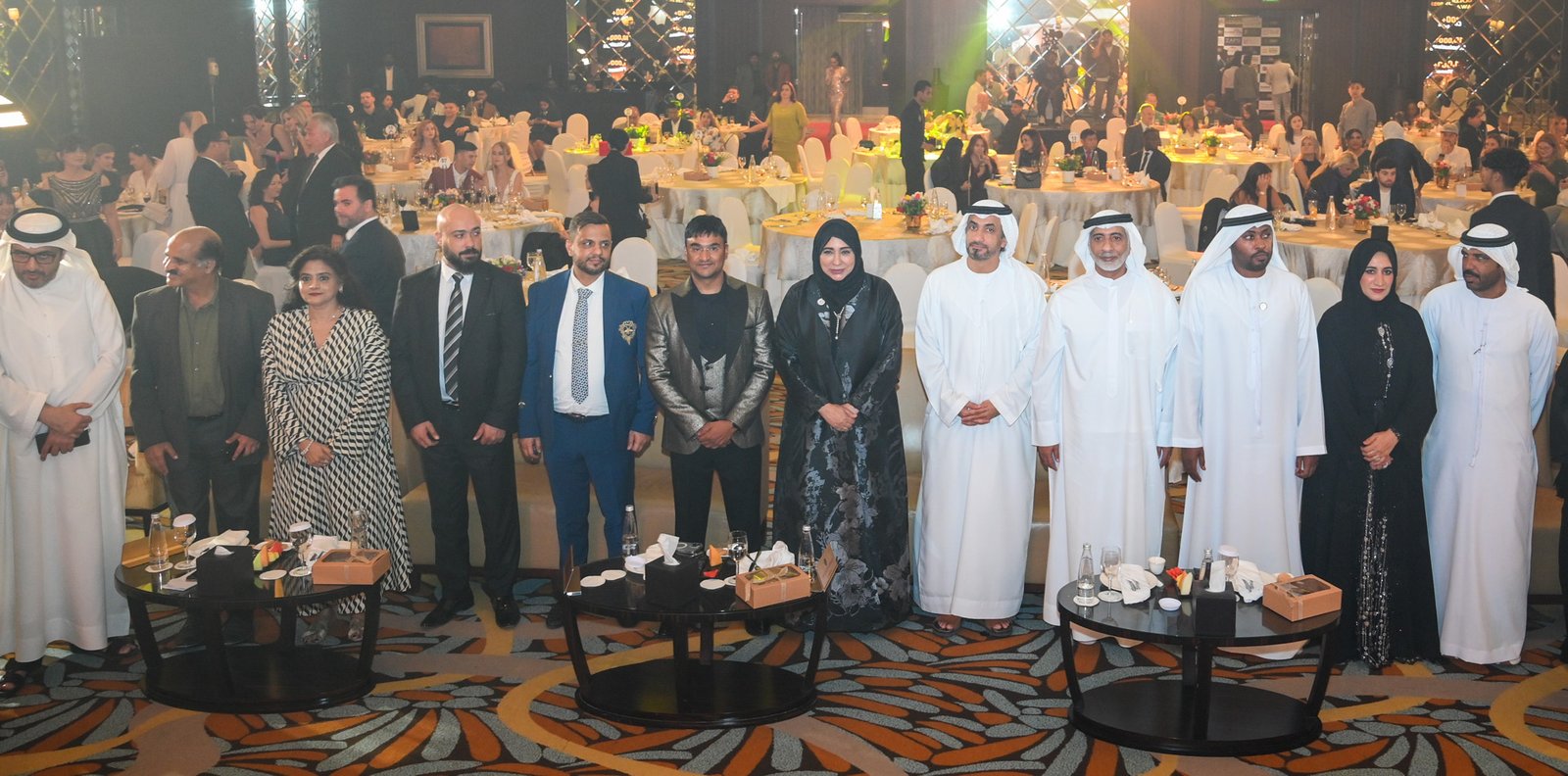
| Awards gala, Dubai | 11 December 2026 | Winners revealed live; attendance optional and never a judging factor |
The entry form mirrors the five judging criteria, and the most reliable way to draft is to treat each section as a question the jury is asking. Citizen impact asks: who is better off, by how much, and how do you know? Open with your headline outcome in the first sentence — median processing time, satisfaction movement, error rates, coverage of previously unserved citizens — then explain the measurement. Jurors are former practitioners; they trust audited figures, independent surveys and administrative data, and they discount self-administered polls and anecdotes standing alone. If your measurement has limitations, name them: candour about methodology consistently scores better than overstated certainty.
Innovation asks: what is genuinely new here, in your context? Novelty is judged relative to circumstances — the first integrated service centre in a post-conflict administration can outscore the fifteenth chatbot in a wealthy one. Describe what existed before, what you changed in the model, technology or partnership, and why that change rather than another. Avoid vendor language; the jury scores your institution’s thinking, not your supplier’s brochure.
Efficiency asks: what did this cost, and what did it save or release? Unit costs, productivity per case, demand prevented, hours returned to citizens and staff — efficiency evidence is where finance teams become your best co-authors. Entries that show the money are rare enough to stand out.
Inclusiveness asks: did the hardest-to-serve share in the improvement? Disaggregate your results where you can — by geography, age, language, disability, digital access. An average that improved while a vulnerable group went backwards is exactly what this criterion exists to surface, and entries that demonstrate equity of outcome carry a signature jurors remember. Sustainability asks: what makes this survive you? Governance arrangements, recurrent funding, skills transferred in-house, culture and measurement that continue regardless of leadership change. Pilots win pilot s’ praise; institutions win awards.
On mechanics: the 3,000-word limit is a ceiling, not a target — strong entries tend to come in under it because evidence is dense and padding is visible. The ten evidence attachments should be curated, not exhaustive: one independent evaluation outweighs six internal slide decks. Write the summary field last, after the sections have taught you what your story actually is. Have one reader outside your team — ideally outside your country — read the draft for unexplained acronyms and assumed context. And submit a day early: the portal closes automatically at the deadline, and in every awards programme, strong entries can die in an upload queue at 23:58. The early-bird route before 31 August exists precisely to remove that risk, and the complimentary advisory review it carries has lifted many first entries from competent to shortlisted.
Entrant support reads every question, however small, at events@goldentreeevent.com — the team would always rather answer early than commiserate late.
Teams that can tick every line above enter the judging field with nothing left to chance except the comparison itself — which is exactly where a strong entry wants to be. If any line cannot be ticked, the fix usually takes an hour now and is impossible after the deadline. The portal’s built-in checklist mirrors this page, and entrant support remains available throughout the final week for anything the checklist surfaces late.
Our secretariat answers within one working day — or read the FAQ for instant answers on eligibility, fees and deadlines.