One evening, 80+ countries, 40+ categories, and the year’s definitive answer to a simple question: who served citizens best?
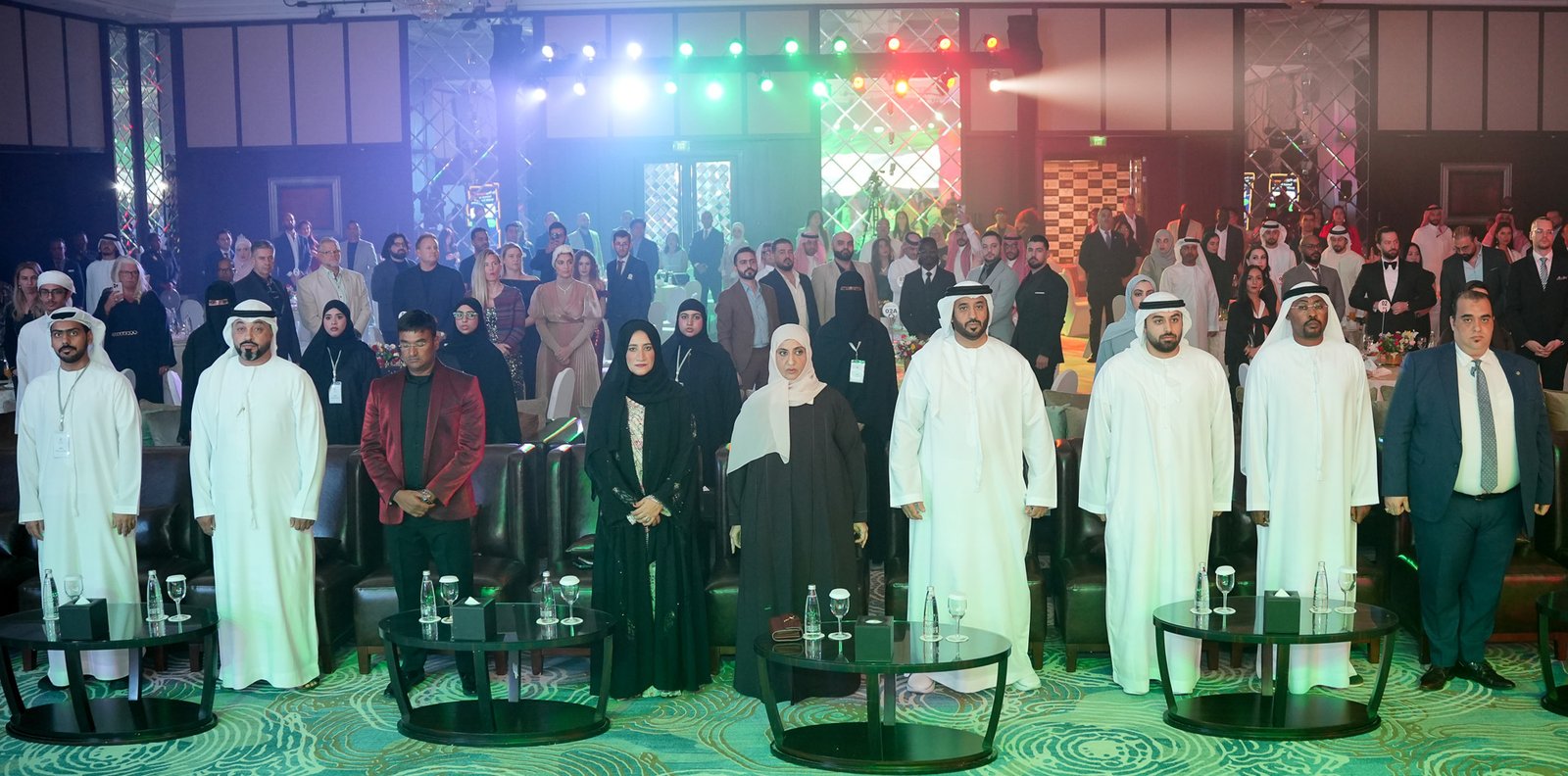
On 11 December 2026, the year’s cycle of nominations, anonymised judging and verification resolves into a single evening in Dubai. For finalists it is the visible summit of a process that began with a baseline spreadsheet eighteen months earlier; for the wider public-service community it is the annual gathering point — the one room where a Nordic digital agency, a West African health ministry and a Pacific island council compare notes as peers.
This preview covers the shape of the evening, what finalists should plan for, and how teams at home can use the night even if they never board a plane.
The gala runs as a single arc rather than a marathon of envelopes. Categories are grouped into six thematic acts — organisational excellence, service delivery, innovation, leadership, people, and community impact — each opened by a short documentary segment built from the finalists’ own evidence: the queue that disappeared, the village clinic network, the rebuilt benefits system. Individual honours anchor the evening, with Public Servant of the Year and the Distinguished Public Service Award conferred in the final act.
Two design choices define the tone. Citations are read in full — each winner hears why, in the jury’s words, because the citation is the award. And winning teams take the stage together; the programme’s standing instruction is that the people who did the work collect the trophy, which is why gala photography features as many frontline uniforms as dinner jackets.
Finalists are notified privately in late October and announced publicly on 26 October 2026, receiving a logistics pack covering Dubai venue details, delegation registration, visa-support letters and the media toolkit. Practical counsel for delegations: bring the team, not just the leadership — the workforce effect of the night multiplies through the people who stand on the stage; prepare a sixty-second acceptance that names the citizens served and the staff who served them; and brief your communications office before travelling, with embargoed material ready for both outcomes.
Finalists also gain access to the day programme preceding the gala: a working summit where shortlisted teams present their evidence to each other across categories. Veterans consistently rate this exchange — a customs reform team interrogating a hospital-flow team’s methods — as the trip’s most durable value. The trophy decorates an office; the summit’s methods travel home in notebooks.
The ceremony streams live with the full citation texts published as each category resolves, and results, photography and the winners’ evidence summaries are released to media in real time. For entrant organisations that did not reach the shortlist, the night is still an instrument: the published citations are the year’s definitive answer key, showing precisely what evidence prevailed in your category — the closest thing to juror feedback available outside the process itself.
For winning organisations, the work begins at sunrise: press material localised, the citation embedded in recruitment pages while the signal is fresh, internal celebrations that re-stage the moment for the colleagues who stayed home, and the budget-conversation version of the win prepared for the next spending round. The programme’s follow-up research is unambiguous on this point — the organisations that extract lasting value from a win are the ones that treat 11 December as a launch date, not a finish line.
Whatever stage your organisation is at, the calendar for the 2026 edition of the World Public Service Excellence Awards is the frame every plan should hang on. Nominations opened on 1 June 2026 and entry is free in every category. Teams that submit by the early-bird date of 31 August 2026 receive a complimentary eligibility check from the secretariat, giving them time to strengthen evidence before judging begins. The final deadline is fixed at 30 September 2026, 23:59 Gulf Standard Time, with no extensions, because anonymised jury packs are compiled the following week.
| Milestone | Date | What it means for entrants |
|---|---|---|
| Nominations open | 1 June 2026 | Portal live; category guides and entry templates available |
| Early-bird deadline | 31 August 2026 | Free eligibility and category-fit check on submitted drafts |
| Final deadline | 30 September 2026 | All evidence, endorsements and declarations locked |
| Finalists announced | 26 October 2026 | Shortlist published; media toolkit issued to finalists |
| Gala ceremony, Dubai | 11 December 2026 | Winners revealed live; trophies and citations presented |
Every entry to these public service awards — from government excellence awards to customer service awards — is scored against the same five published criteria by a 120-member independent jury. By gala night every result is already verified; the evening exists to honour evidence the jury has spent two months testing. Entries are anonymised before scoring and pass through a two-stage process with cross-regional moderation, so a strong score reflects evidence, not reputation.
| Criterion | Weight | What jurors look for |
|---|---|---|
| Citizen impact | 30% | Demonstrable improvement in outcomes, satisfaction or access for the people a service exists to serve. |
| Innovation | 20% | Originality of the approach relative to comparable administrations, and the courage to depart from precedent. |
| Efficiency | 20% | Better results per unit of public money, staff time or processing effort, with credible baselines. |
| Inclusiveness | 15% | Evidence that gains reached vulnerable, remote or digitally excluded groups, not only the easy majority. |
| Sustainability | 15% | Institutional arrangements that keep the improvement alive after the founding team or funding moves on. |
Read the full methodology, including integrity safeguards and conflict-of-interest rules, on our judging criteria page.
Use this checklist as a final pass before submitting your entry. Experienced awards jurors widely agree that the difference between a finalist and a near-miss is rarely the quality of the underlying work — it is the discipline of the entry itself: clear baselines, verified numbers and a story told from the citizen’s side of the counter.
Continue with these guides from our editorial team, or go straight to the nomination portal, browse all award categories, or review why organisations enter public sector awards in the first place.
Yes — a limited allocation of delegate places is available to entrant organisations and partners, alongside the finalist delegations. Details are published with the finalist announcement in late October.
Finalist teams receive an allocation of gala seats without charge; travel and accommodation are the delegation’s own arrangement, and additional seats may be purchased. Judging is, as always, entirely independent of attendance.
Yes. Entry is free in all 40+ categories, and judging is fully independent of sponsorship. Organisations only ever pay for optional items such as additional gala seats.
Nominations for the 2026 public service awards close 30 September 2026. Entry is free, judging is independent, and winners are honoured at the Dubai gala on 11 December 2026.