Recognition programmes in the public sector cannot rely on bonuses. The good news: the evidence says money was never the active ingredient.
Public-sector HR teams often assume recognition is a private-sector luxury: no bonus pools, rigid grading, union sensitivities. Yet the engagement literature is consistent that the components which move behaviour — timeliness, specificity, peer visibility and a credible link to values — cost almost nothing. Government is structurally well placed to recognise well; it simply tends to design recognition badly.
This article reviews what separates schemes that lift engagement and retention from those that quietly die, and how strong internal programmes become contenders for employee recognition awards at national and international level.
First, timeliness: recognition within days of the act, not at an annual ceremony eleven months later. Second, specificity: “you redesigned the appointment letter and missed appointments fell 18%” teaches the organisation what good looks like; “great job this quarter” teaches nothing. Third, peer visibility: recognition delivered in front of colleagues multiplies its effect and signals norms. Fourth, values linkage: each award should name the institutional value it evidences, which is how recognition becomes governance rather than mood management.
Programmes scoring well on all four properties show measurable movement: agencies entering our employee recognition category typically evidence 5–12 point gains on engagement-survey recognition items and meaningful reductions in voluntary turnover among frontline grades — the segment where replacement costs bite hardest.
No-bonus environments push design toward what research suggests works better anyway: symbolic and developmental rewards. Time with a senior leader to pitch an improvement; first refusal on a coveted secondment; a named role presenting the team’s work to the board or at a sector conference; professional-development budget. These rewards compound — they create the next achievement — where cash rewards terminate at the payslip.
Union and fairness concerns are best handled with transparency rather than abolition: published criteria, mixed nomination channels (peer, manager, citizen), rotation of judging panels, and publication of the distribution of winners by grade and directorate. The data point that kills schemes is concentration: when 70% of awards go to headquarters policy staff, the 70% of staff who face citizens conclude the scheme is not for them.
An internal recognition programme becomes an external award contender when it can answer three questions with numbers. Coverage: what share of staff were nominated or recognised this year, by grade? Outcome: what moved — engagement items, retention, absence, internal mobility — and against what baseline? Mechanism: which design choices produced the movement, demonstrated through iteration (what you changed when the first version underperformed)?
Jurors for employee recognition awards in government see many programmes that are loved and few that are evidenced. The agencies that win treat their recognition scheme like any other service: instrumented, evaluated, redesigned. Ironically, that discipline is itself the strongest signal of a mature recognition culture — and it is exactly what an anonymised international jury can score.
Whatever stage your organisation is at, the calendar for the 2026 edition of the World Public Service Excellence Awards is the frame every plan should hang on. Nominations opened on 1 June 2026 and entry is free in every category. Teams that submit by the early-bird date of 31 August 2026 receive a complimentary eligibility check from the secretariat, giving them time to strengthen evidence before judging begins. The final deadline is fixed at 30 September 2026, 23:59 Gulf Standard Time, with no extensions, because anonymised jury packs are compiled the following week.
| Milestone | Date | What it means for entrants |
|---|---|---|
| Nominations open | 1 June 2026 | Portal live; category guides and entry templates available |
| Early-bird deadline | 31 August 2026 | Free eligibility and category-fit check on submitted drafts |
| Final deadline | 30 September 2026 | All evidence, endorsements and declarations locked |
| Finalists announced | 26 October 2026 | Shortlist published; media toolkit issued to finalists |
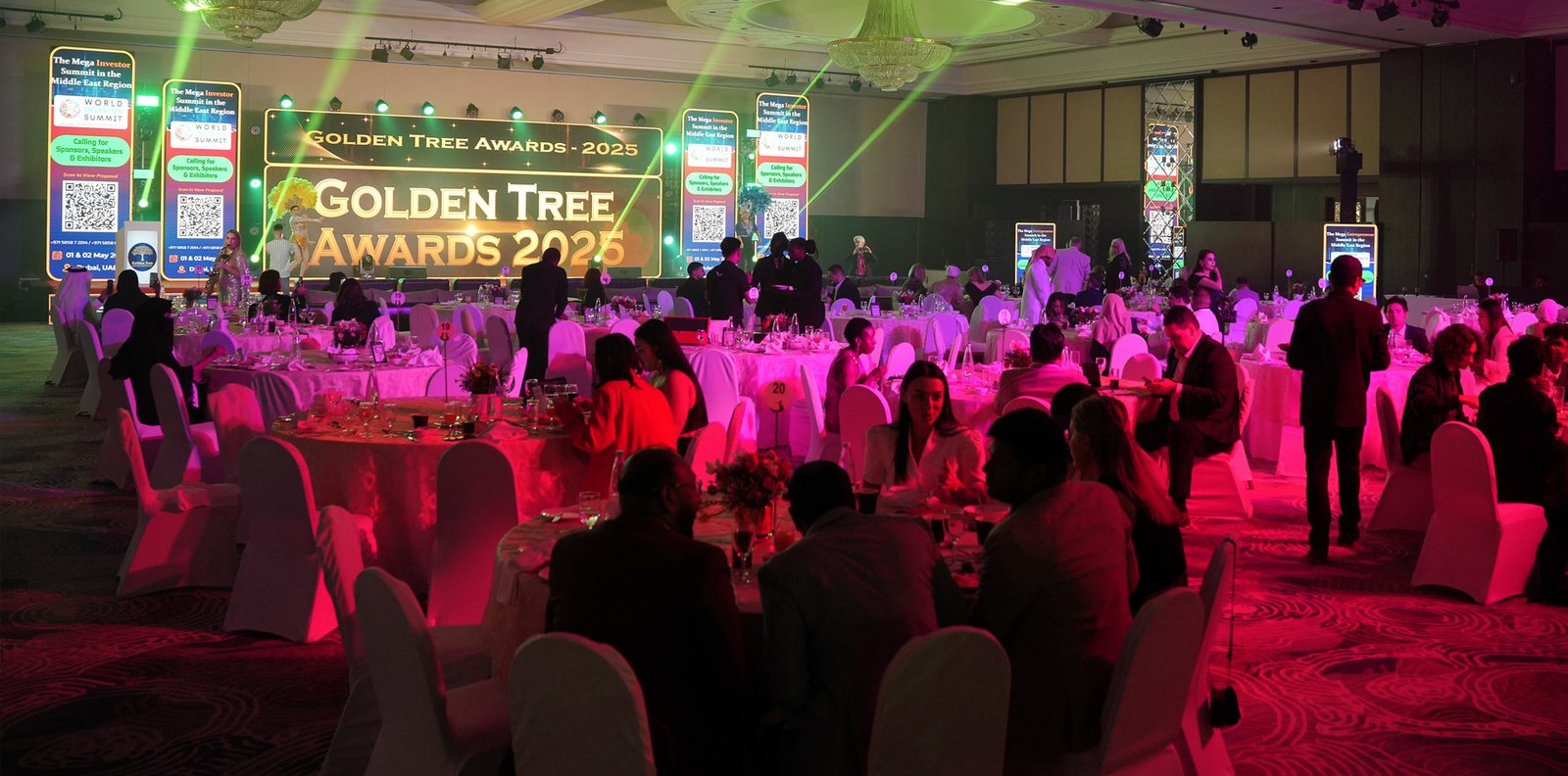
| Gala ceremony, Dubai | 11 December 2026 | Winners revealed live; trophies and citations presented |
Every entry to these public service awards — from government excellence awards to customer service awards — is scored against the same five published criteria by a 120-member independent jury. Entries in the employee recognition category are judged on workforce outcomes — engagement, retention, wellbeing — with the same evidentiary rigour as service results. Entries are anonymised before scoring and pass through a two-stage process with cross-regional moderation, so a strong score reflects evidence, not reputation.
| Criterion | Weight | What jurors look for |
|---|---|---|
| Citizen impact | 30% | Demonstrable improvement in outcomes, satisfaction or access for the people a service exists to serve. |
| Innovation | 20% | Originality of the approach relative to comparable administrations, and the courage to depart from precedent. |
| Efficiency | 20% | Better results per unit of public money, staff time or processing effort, with credible baselines. |
| Inclusiveness | 15% | Evidence that gains reached vulnerable, remote or digitally excluded groups, not only the easy majority. |
| Sustainability | 15% | Institutional arrangements that keep the improvement alive after the founding team or funding moves on. |
Read the full methodology, including integrity safeguards and conflict-of-interest rules, on our judging criteria page.
Use this checklist as a final pass before submitting your entry. Experienced awards jurors widely agree that the difference between a finalist and a near-miss is rarely the quality of the underlying work — it is the discipline of the entry itself: clear baselines, verified numbers and a story told from the citizen’s side of the counter.
Continue with these guides from our editorial team, or go straight to the nomination portal, browse all award categories, or review why organisations enter public sector awards in the first place.
Yes — the active ingredients are timeliness, specificity, visibility and values linkage, none of which require money. Symbolic and developmental rewards typically outperform small cash awards in public-sector settings.
Smaller and more frequent beats annual and grand. A quarterly 30-minute ceremony with specific citations moves behaviour more than a yearly gala, and it generates four times the story flow for external entries.
Yes. Entry is free in all 40+ categories, and judging is fully independent of sponsorship. Organisations only ever pay for optional items such as additional gala seats.
Nominations for the 2026 public service awards close 30 September 2026. Entry is free, judging is independent, and winners are honoured at the Dubai gala on 11 December 2026.