Leadership awards have a credibility problem everywhere: they tend to reward visibility. Here is how this programme judges leadership by its residue.
Every awards programme with a leadership category faces the same hazard: charisma photographs well, and the officials best at claiming credit are not reliably the ones who deserve it. The government leadership awards in this programme are therefore designed around a single corrective idea — leadership is judged by its residue: the delivery achieved through others, and the institutional capability that remains when the leader walks out of the room.
This article unpacks how the five criteria translate to leadership cases, what evidence the jury weights, and why some of the most senior nominations score surprisingly poorly.
In programme categories, entrants must prove their organisation caused the result. In leadership categories the attribution question inverts: the jury assumes the organisation did the work and asks what the leader specifically changed that enabled it. Credible answers are structural — the operating model redesigned, the delivery unit created, the data flowing to decisions for the first time, the talent moved to the bottleneck, the political cover bought for a risky redesign.
The evidence is therefore organisational metrics with a mechanism story: the department’s outcome trend, plus the specific leadership acts that bent it, plus testimony from the people in between. Entries claiming a leader “drove” results without naming the mechanism are scored as proximity, not leadership. Jurors are former executives; they know the difference between presiding over delivery and producing it.
The heaviest-weighted question in leadership scoring is the capability delta: what can this institution do today that it could not do before this leader? Run digital services in-house rather than through contractors? Move staff to crises within days? Tell the truth upward about failing programmes? Such capabilities outlast any single result and define whether a leader improved the organisation or merely operated it.
Strong cases evidence the delta concretely: the analytics function that did not exist, now staffed at fifty and feeding cabinet decisions; the leadership pipeline whose alumni run a third of the department; the incident-review practice that converted failure from career risk into institutional learning. Weak cases substitute vision documents and reorganisation charts — artefacts of intent rather than capability. The jury’s shorthand: strategies are claims; capabilities are evidence.
Two further probes complete the leadership lens. Succession: did the leader develop people, and where are they now? A nomination listing the protégés currently leading other institutions carries a form of proof no self-description can match. Jurors also read for the inverse signal — organisations that collapse on a leader’s departure are evidence of dependence cultivated, not capability built.
Culture is probed through behavioural artefacts rather than survey adjectives: what happens to bearers of bad news (with an example); how the leader handled a documented failure of their own; the diversity of the team they assembled against the baseline they inherited. The strongest leadership nominations have a self-effacing texture — dense on institutional fact, light on personal aura — because their authors understood the design: this is an award for what remains, and what remains is measurable.
Whatever stage your organisation is at, the calendar for the 2026 edition of the World Public Service Excellence Awards is the frame every plan should hang on. Nominations opened on 1 June 2026 and entry is free in every category. Teams that submit by the early-bird date of 31 August 2026 receive a complimentary eligibility check from the secretariat, giving them time to strengthen evidence before judging begins. The final deadline is fixed at 30 September 2026, 23:59 Gulf Standard Time, with no extensions, because anonymised jury packs are compiled the following week.
| Milestone | Date | What it means for entrants |
|---|---|---|
| Nominations open | 1 June 2026 | Portal live; category guides and entry templates available |
| Early-bird deadline | 31 August 2026 | Free eligibility and category-fit check on submitted drafts |
| Final deadline | 30 September 2026 | All evidence, endorsements and declarations locked |
| Finalists announced | 26 October 2026 | Shortlist published; media toolkit issued to finalists |
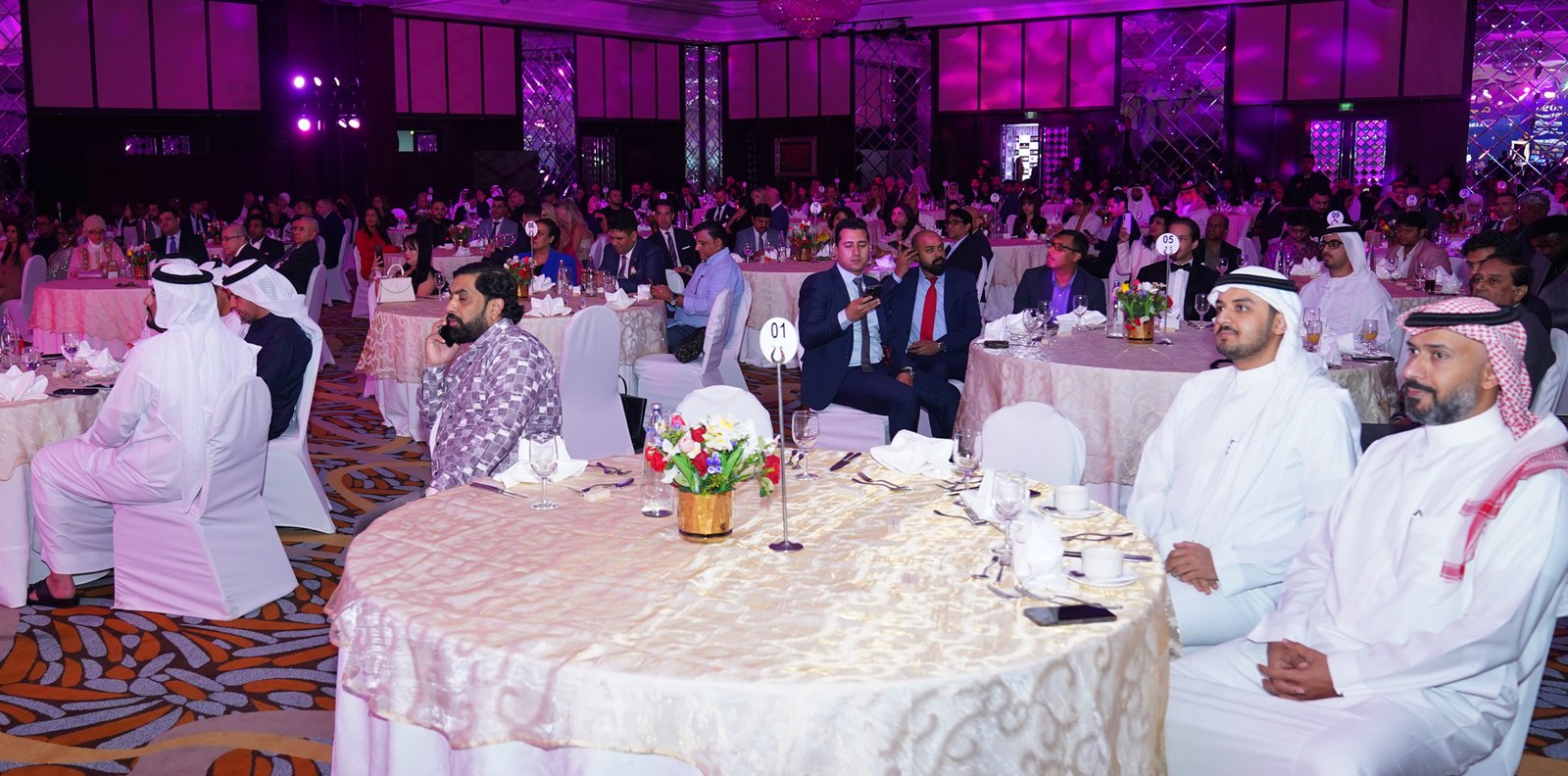
| Gala ceremony, Dubai | 11 December 2026 | Winners revealed live; trophies and citations presented |
Every entry to these public service awards — from government excellence awards to customer service awards — is scored against the same five published criteria by a 120-member independent jury. Leadership entries are scored on outcomes delivered through others and on what the institution can do now that it could not do before this leader. Entries are anonymised before scoring and pass through a two-stage process with cross-regional moderation, so a strong score reflects evidence, not reputation.
| Criterion | Weight | What jurors look for |
|---|---|---|
| Citizen impact | 30% | Demonstrable improvement in outcomes, satisfaction or access for the people a service exists to serve. |
| Innovation | 20% | Originality of the approach relative to comparable administrations, and the courage to depart from precedent. |
| Efficiency | 20% | Better results per unit of public money, staff time or processing effort, with credible baselines. |
| Inclusiveness | 15% | Evidence that gains reached vulnerable, remote or digitally excluded groups, not only the easy majority. |
| Sustainability | 15% | Institutional arrangements that keep the improvement alive after the founding team or funding moves on. |
Read the full methodology, including integrity safeguards and conflict-of-interest rules, on our judging criteria page.
Use this checklist as a final pass before submitting your entry. Experienced awards jurors widely agree that the difference between a finalist and a near-miss is rarely the quality of the underlying work — it is the discipline of the entry itself: clear baselines, verified numbers and a story told from the citizen’s side of the counter.
Continue with these guides from our editorial team, or go straight to the nomination portal, browse all award categories, or review why organisations enter public sector awards in the first place.
Both compete, in separate sub-categories: appointed/career officials in one, elected and political executives in the other, because the jury judges them against different constraint sets.
Yes — within three years of departure, which often strengthens the case: succession and durability evidence only fully matures once the leader has gone.
Yes. Entry is free in all 40+ categories, and judging is fully independent of sponsorship. Organisations only ever pay for optional items such as additional gala seats.
Nominations for the 2026 public service awards close 30 September 2026. Entry is free, judging is independent, and winners are honoured at the Dubai gala on 11 December 2026.